Get Marketing Insights First
Subscribe to receive content strategies, SEO tips, and traffic insights delivered straight to your inbox.
AI can help write content in a more natural and engaging way than humans. This technology can improve content quality on websites and social media. Today we’ll discover more details and tricks for AI-generated content.
In recent years, artificial intelligence has made significant progress. Many industries now use AI. One such application is AI-generated content. A computer creates it using artificial intelligence algorithms.
This content serves many purposes. For example, it can create articles, develop marketing materials, and even write songs.
AI-generated content has several advantages. First, it produces high-quality content quickly and efficiently. Second, it creates unique content for each customer. Finally, it saves businesses money by reducing human labor.
But there are also some potential drawbacks. We will discuss them below.
In recent years, AI content generation has surged. It ranges from news articles to social media posts and product descriptions.
Supporters say AI content is more accurate and efficient than human content. But critics point out several drawbacks.
Benefits: Accuracy and efficiency are the main benefits. Machine learning scans vast amounts of data quickly. Machines compile information into articles or posts much faster. Also, machines have no personal biases or emotions. This leads to more accurate and unbiased content.
Drawbacks: AI is not as creative as humans. It struggles to engage readers like a human would. This can cause lower engagement and click rates.
Another drawback is the lack of human touch. AI cannot connect with readers on the same level. Less engagement means lower click rates and user interaction.
A third drawback is that AI currently lacks fact and data validation. AI does not have the same knowledge and background as humans. So it cannot validate facts or data reliably.
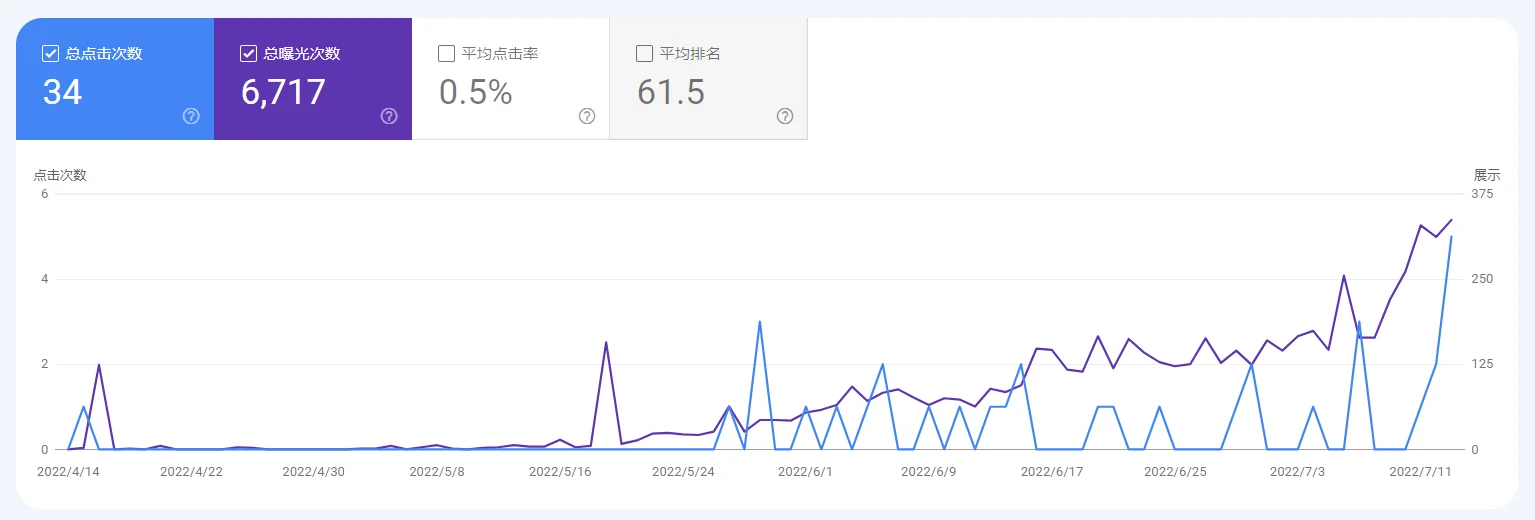
Many people wonder if AI content violates Google’s guidelines. I am now confident about applying the right content strategy. This way we won’t get hit by Google. Our website is newly built since April, and we use AI-generated articles. Here is our GSC data:
AI can help generate content for articles. Here’s the basic process:
We have been promoting Wordhero AI for this practice. It works wonderfully.
There are three main types: blogs, social media posts, and ads. Each type has its own benefits and drawbacks.
Blogs share your thoughts and opinions with the world. They help build a brand and establish expertise. However, blogs take time and effort to create. They can also be difficult to promote.
Social media posts are quick and easy to create. They reach a large audience. But they often get lost in the noise. Standing out from competition is hard.
Ads reach a large audience quickly and easily. But they can be expensive. If done wrong, they may be ineffective.
When creating content, do your research first. Use the right keywords. I mainly use Ubersuggest for this step. Otherwise, your content may not rank well.
You can also use latent semantic analysis tools. Examples are Similar Content Pro or Labrika. They help find related keywords for your content.
After writing, optimize your content for SEO. Add keywords and format correctly. Make sure your content is readable and engaging. This improves its ranking.
Many believe Google’s May 2022 core update targeted AI-generated content. This has not been confirmed, but it’s a strong suspicion. If true, it could hurt businesses that rely on AI content. Their search rankings might drop significantly.
How can AI-generated content survive Google’s algorithm update? Here are a few tips: